
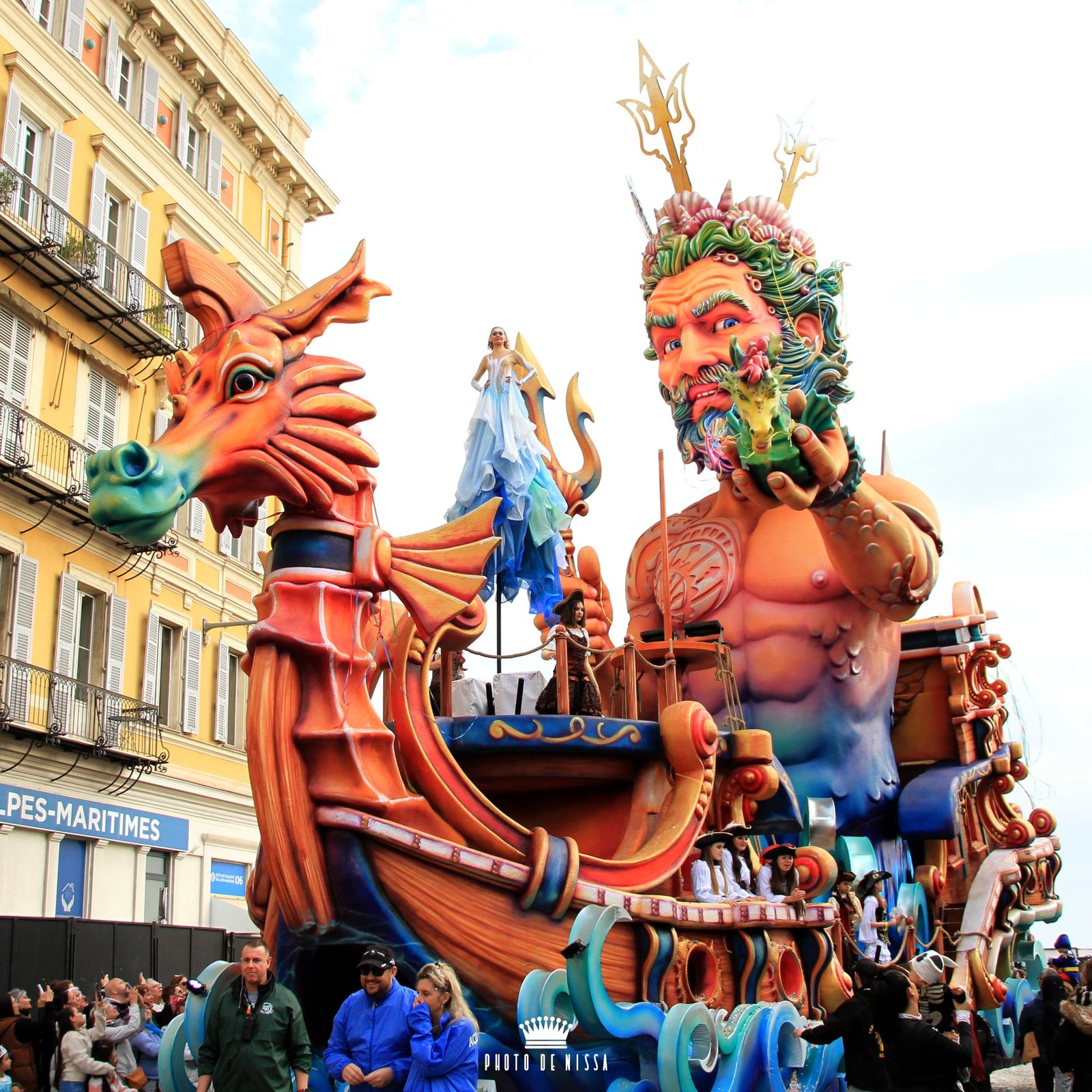
The Nice Carnival is one of the oldest and most vibrant festivals in Europe, a celebration that blends culture, artistry, humor, and tradition into a spectacular winter event. It attracts travelers from around the world who come to witness giant floats, bright flower battles, and street performances that transform the city into a living stage. Understanding the History of Nice Carnival gives every traveler a deeper appreciation of how this event evolved from ancient community gatherings to the magnificent cultural showcase it is today.
Early Roots of Celebration
Long before the city of Nice became a world-famous destination for luxury tourism, local communities celebrated the turning of seasons. Ancient records show that people in the region used winter festivals as a way to chase away negativity and welcome a period of renewal. These traditions were deeply tied to European folklore and early pagan rituals. Over time, these gatherings formed the earliest foundation of what would later become the Nice Carnival.
The earliest documented mention of the carnival dates back to the 13th century, where historians discovered references to festivities in Nice involving public entertainment, dancing, and theatrical acts. Although the celebrations were small and community-based, they were meaningful expressions of joy, marking the final days before the fasting period of Lent. The History of Nice Carnival truly begins here, with these early traditions setting the stage for centuries of evolution.
The Medieval Influence
During the medieval era, Nice expanded in size and cultural significance, attracting merchants and travelers from nearby European regions. Due to this increasing interaction, the carnival began absorbing new elements such as street parades, masked performances, drum processions, and humorous theatrical scenes. People from different social classes participated, making the celebration one of the few moments where rich and poor came together to share entertainment.
The medieval phase also strengthened the role of masks. Covering one’s identity allowed participants to express themselves freely, mock authority, and enjoy moments of social equality. These masks would later become central to the carnival’s identity, influencing costume design even in modern times.
Royal Recognition and the Birth of Official Carnival
By the 19th century, the city of Nice had become popular among European royalty and wealthy travelers who visited for its mild winter climate. In 1873, inspired by the growing interest from aristocrats, a local artist named Alexis Mossa transformed the carnival into a formal, organized event. This marked one of the most significant milestones in the History of Nice Carnival.
Mossa introduced an official parade that featured large floats, elaborate costumes, satirical figures, and artistic themes. This innovation changed the carnival forever. Instead of small local gatherings, the event became a public spectacle admired by international visitors. The introduction of a “King of Carnival” float also became a tradition, signaling the start of each year’s celebration.
Mossa’s artistic vision was further developed by his son, Gustav-Adolf Mossa, who brought a more symbolic, imaginative, and sometimes provocative style to the floats. Their contributions made the Nice Carnival a globally recognized artistic festival.
The Rise of Flower Battles
Another defining feature of the carnival is the famous “Bataille de Fleurs” or Flower Battle. Originating in the late 19th century, this event was initially created as a way to celebrate Nice’s rich floral industry. At the time, Nice was a major flower-producing region, sending fresh blooms across Europe.
During the Flower Battle, beautifully decorated floats travel along the Promenade des Anglais while performers dressed in themed costumes throw fresh flowers to the audience. The goal was not only to entertain but also to showcase the beauty and abundance of the French Riviera. Today, the Flower Battle remains one of the most iconic experiences of the festival.
The Age of Satire and Creativity
As the carnival grew, satire became a central artistic element. The floats often depicted political figures, global leaders, cultural icons, and current events through exaggerated and humorous designs. Artists used the carnival as a platform to comment on society while keeping the atmosphere lighthearted.
This period also encouraged the creation of larger and more complex floats. Craftsmen used wood, fabric, papier-mâché, and later modern materials to build massive figures that could reach several meters in height. These artistic pieces were not just entertaining; they became symbols of Nice’s creativity and craftsmanship.
Challenges of the 20th Century
The 20th century brought significant challenges. World wars, economic crises, and political instability led to the temporary cancellation of the carnival several times. However, despite these interruptions, the people of Nice always revived the tradition with renewed passion.
In the post-war era, the carnival became a symbol of hope and cultural resilience. The event returned stronger, with modern artistic styles, improved parade organization, and new creative themes. Each revival reinforced the community’s emotional connection to the festival, proving that the carnival was not only entertainment—it was identity.
Modern Transformation and Global Recognition
Today, the Nice Carnival is one of the largest and most famous carnivals in the world, standing alongside Rio de Janeiro and Venice. The event typically runs for two weeks in February, featuring night parades, illuminated floats, costume competitions, concerts, fireworks, and artistic performances.
Modern technology has also improved the carnival experience. Advanced lighting, sound systems, and mechanical engineering allow creators to design more dynamic and interactive floats. Themes change every year, often reflecting global culture, fantasy worlds, environmental awareness, or imaginative storytelling.
The History of Nice Carnival highlights this evolution from simple gatherings to a high-level artistic production that draws hundreds of thousands of visitors annually. Its transformation mirrors the cultural growth of Nice itself—a city that embraces both tradition and innovation.
Cultural Importance and Symbolism
Beyond entertainment, the carnival holds deep cultural meaning for the residents of Nice. It represents community connection, artistic expression, and the preservation of historical identity. The tradition of burning the “King of Carnival” at the end of the festival symbolizes the end of winter negativity and the arrival of renewal. This ritual blends ancient symbolism with modern celebration, keeping the cultural spirit alive.
The event also supports local artisans, performers, florists, costume designers, and tourism-related industries. Its economic and cultural impact on the region is immense, making it one of Nice’s most valuable annual celebrations.
A Visitor’s Experience Today
For today’s traveler, attending the Nice Carnival feels like stepping into a world of colors, music, and imagination. The city streets transform into vibrant corridors filled with dancers, musicians, confetti, and artistic floats. Every corner offers something new to observe—flowers flying through the air, crowds cheering, performers dancing, and lights illuminating the winter sky.
Visitors also enjoy the local cuisine, Mediterranean atmosphere, and beautiful seaside views that add to the overall experience. The carnival is not just an event; it is a journey into the living culture of the French Riviera.
The Enduring Legacy
The legacy of the carnival is built on creativity, resilience, and the ability to bring people together. From medieval celebrations to the artistic brilliance of today’s floats, each chapter of the History of Nice Carnival celebrates human expression and joy. It is this combination of heritage and artistry that makes the Nice Carnival unforgettable for both locals and tourists.
A Strong and Memorable Ending
The Nice Carnival continues to evolve while preserving its cultural roots. Whether you visit for the Flower Battle, the glowing night parades, or the imaginative floats, you become part of a tradition that has lasted for centuries. The History of Nice Carnival proves that celebration is not just about entertainment—it is about community, creativity, and the shared human desire to express happiness.
As the lights fade and the King of Carnival is burned in a final show of symbolic renewal, the city prepares for a new chapter, ready to welcome visitors again the next year. The Nice Carnival remains a timeless masterpiece, a celebration where history and imagination dance together under the Mediterranean sky. for blog visit our site blogtechlife.